
Aluminosilicate
Consider for projects emphasizing chemical strengthening, thinner structures, and mechanical performance.
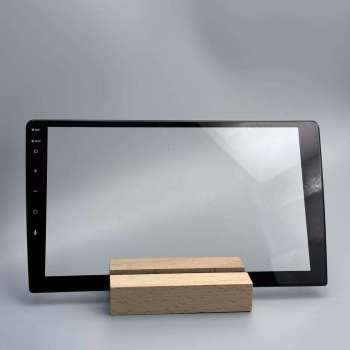


US $8.685 - 99 piece
US $7.69100 - 999 piece
US $5.91000 - 4999 piece
US $4.695000 - 9999 piece
Paramtents
Customization Custom Size, OEM/ODM Available
Coating Type AG anti-glare / AR anti-reflection / AF anti-finge
Material High Quality Soda Lime / Borosilicate Glass
Hardness 9H Tempered Glass, High Hardness
Transmittance High Transmittance ≥92%
Application HMI Touch Panels, Industrial Control, Human-Machine Interface
Feature Anti-Scratch, Anti-Oil, Water Repellent, Easy to Clean
Packging & Delivery
Min Order5 piece
Briefing
Detailed
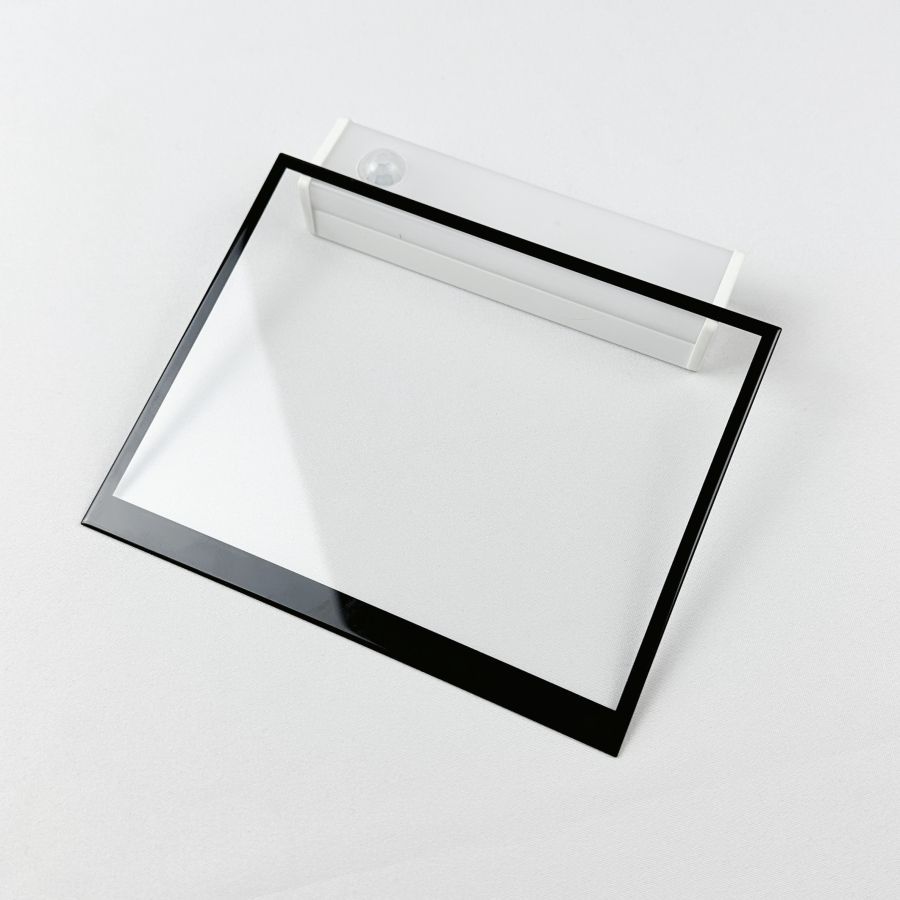
Felix Glass manufactures tempered display cover glass with AR anti-reflection, AG anti-glare, and AF anti-fingerprint surface options for industrial HMI touchscreens, outdoor kiosks, medical displays, marine controls, automation terminals, and other operator interfaces.
The three functions can be specified individually or combined. AR reduces surface reflection, AG diffuses glare, and AF reduces oil and fingerprint adhesion. CNC shaping, edge finishing, black border printing, strengthening, coating, and inspection can be coordinated from an approved drawing.
This product remains in the AR/AG/AF Coated Display Glass category.
The values below retain the source product specification. Final substrate, coating sides, optical values, dimensions, printing, durability, and validation criteria are confirmed for each project.
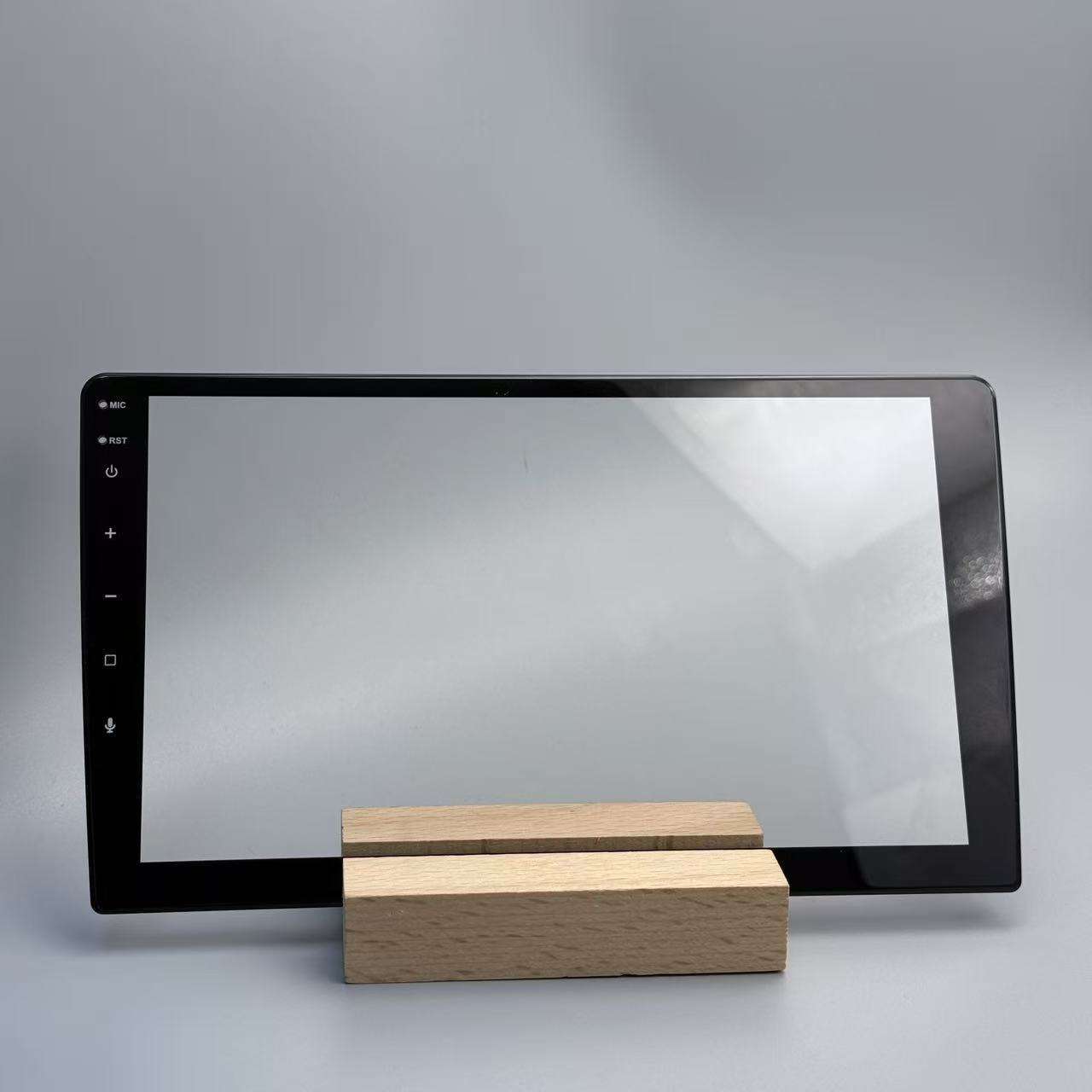
The source description lists the following project capabilities. Each value requires an agreed material, coating stack, measurement method, and acceptance plan.
| Source material references | Aluminosilicate, soda-lime, and borosilicate glass; selected by project |
|---|---|
| Thickness range | 0.7–6.0 mm, subject to size and processing review |
| Hardness reference | 9H listed for the tempered cover glass |
| Compressive-stress reference | CS 600–900 MPa listed for chemically strengthened configurations |
| Coating configurations | Double-sided AR, single- or double-sided AG, and nano AF combinations |
| AG haze range | 5%–25% adjustable reference |
| Light transmittance | At least 92% reference |
| Surface reflectivity | At most 1% reference |
| Edge processing | Straight, C/J chamfer, and 2.5D curved-edge polishing |
| Printing-precision reference | ±0.03 mm for black borders and sensor-window printing |
Browse the broader Felix Glass product catalog for other cover-glass and surface-treatment options.
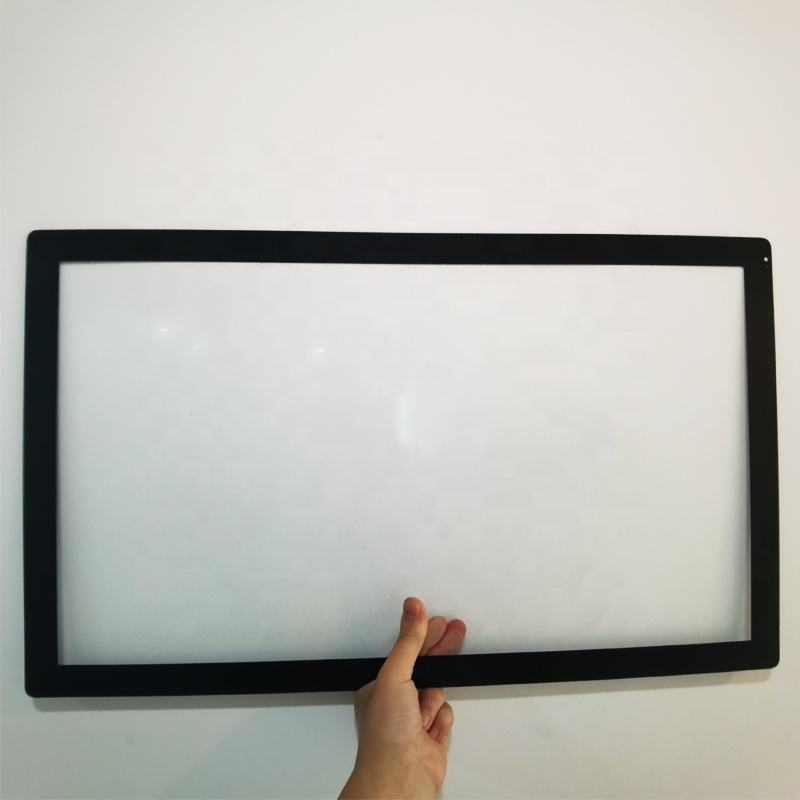
The source content references aluminosilicate and soda-lime substrates, while the visible attributes reference soda-lime and borosilicate glass. The correct material must be selected explicitly rather than inferred from these entries.
Consider for projects emphasizing chemical strengthening, thinner structures, and mechanical performance.
Consider for indoor automation, commercial terminals, and programs where common supply and cost targets matter.
Consider when thermal behavior or application-specific material properties justify evaluation.
Material name alone does not determine coating adhesion, optical performance, or environmental life. Those outcomes depend on the complete process and test plan.
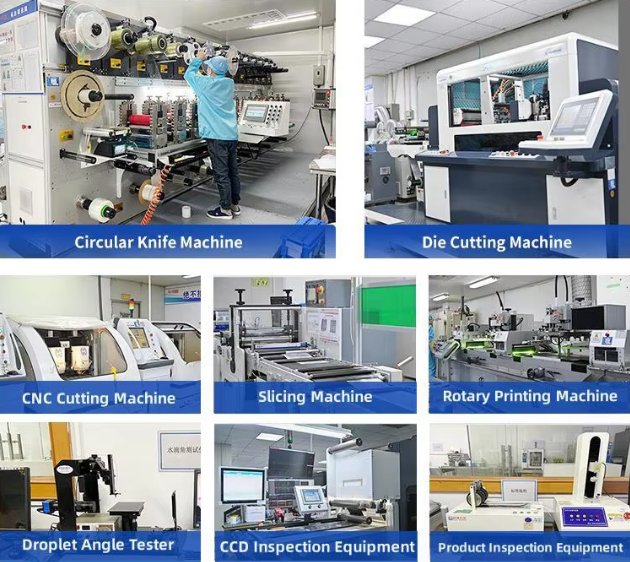
The original description presents a closed-loop manufacturing route for coated HMI glass. Actual order and feasibility depend on the substrate, geometry, printing, strengthening method, and coating sides.
Company and manufacturing background is available on About Us.
AR can reduce reflection, AG can diffuse glare, and AF can reduce fingerprints and dust adhesion. Display brightness, sunlight angle, haze, and reflectivity should be evaluated together.
Optical clarity and cleaning durability require a defined disinfectant, wiping material, load, cycle count, and regulatory scope.
UV exposure, moisture, salt, temperature cycling, vibration, and sealing should be included in the environmental validation plan.
AG can support long-duration viewing, while AF can reduce adhesion from oil and handling marks in workshop environments.
Related surface-treatment and application articles are available in the Felix Glass blog.
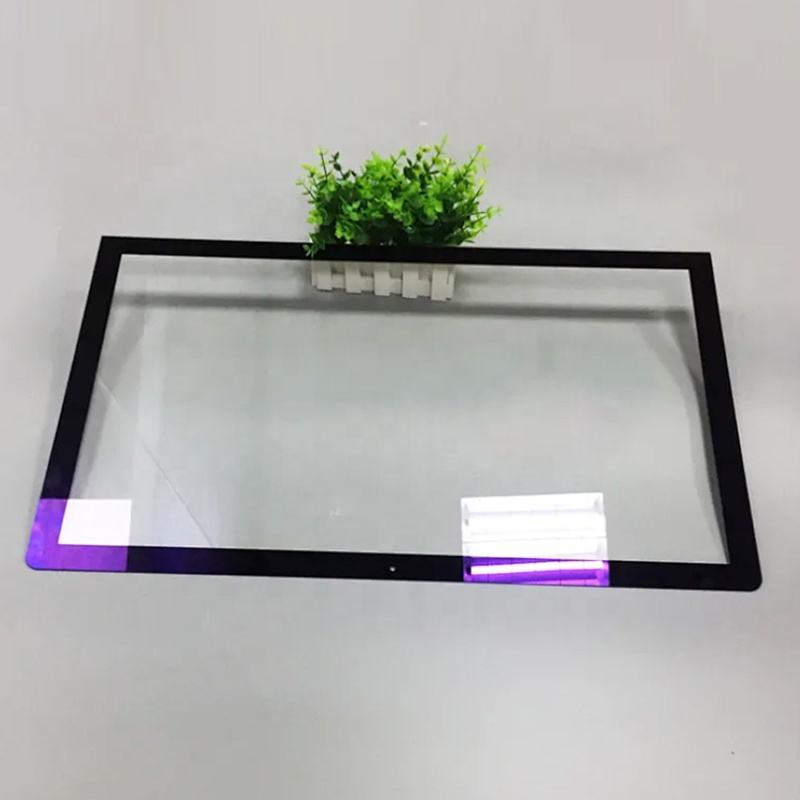
The original content describes two project types. They are retained as capability references rather than quantified performance guarantees.
High-haze coated tempered glass with a black silk-screen border was described for payment kiosks and information terminals. Final reflection, haze, cleaning, and weathering targets require measured acceptance values.
Low-haze, high-transmittance coated glass was described for touch-monitoring screens. Imaging, cleaning, coating durability, and regulatory documentation must match the end device.
The source states that batch reports and SGS/ISO documents can support OEM audits. Buyers should verify report scope, sample identity, dates, issuing body, and current validity. Begin from the Felix Glass home page for broader capability information.
The original content lists in-house AG etching, AR vacuum coating, AF nano coating, haze customization, prototype sampling, and volume OEM supply. It also states more than 19 years of optical-glass manufacturing experience.
For procurement evaluation, confirm the exact processes performed in-house, production capacity, sample lead time, MOQ, lot-control method, yield assumptions, packaging, and commercial terms. The source claim “MOQ 1” should be verified for the selected configuration.
It is used where a display cover needs a combination of reflection control, glare diffusion, and reduced fingerprint adhesion, including outdoor, medical, marine, and industrial HMI projects.
The source states that the thin coatings do not interfere with the touch signal. The completed stack should still be validated with the chosen sensor, controller, cover thickness, bonding, grounding, and firmware.
Yes. The source lists a 5%–25% range. The selected value should balance glare, sparkle, image sharpness, brightness, and viewing angle.
The source describes compatibility with alcohol wiping and disinfectant cleaning. The exact chemical, concentration, cloth, load, cycles, and acceptance criteria must be tested.
Yes, subject to drawing review, process limits, printing artwork, and dimensional inspection requirements.
Use Contact Us to request the test data and documents needed for a specific application.
The source content references single AG glass, single AR glass, AF+AG dual-coated glass, C/J chamfer cover glass, and 2.5D curved display glass. The appropriate configuration depends on whether glare, reflection, fingerprints, edge shape, or industrial styling is the primary design constraint.
Send the drawing, substrate preference, thickness, coating sides, target haze, transmittance and reflectivity, edge profile, openings, printing artwork, cleaning chemicals, environmental tests, sample quantity, annual volume, documentation, and requested schedule.
网络文化经营许可证:浙网文[2013]0268-027号|增值电信业务经营许可证:浙B2-20080224-1 2007-2026 Tradevv.com. All rights reserved.