
2.1 AR anti-reflection
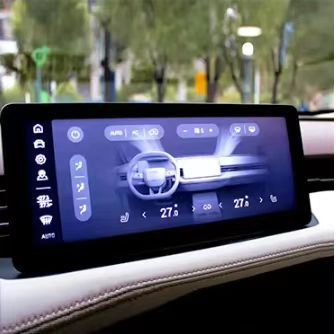
AR treatment reduces surface reflection from sunlight, roadway lighting, and cabin illumination so the display can use more of its available luminance for readable content.
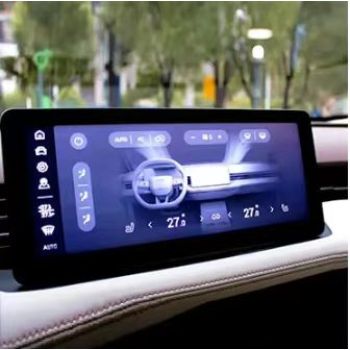


US $9.665 - 99 piece
US $8.36100 - 999 piece
US $6.561000 - 4999 piece
US $4.655000 - 9999 piece
Paramtents
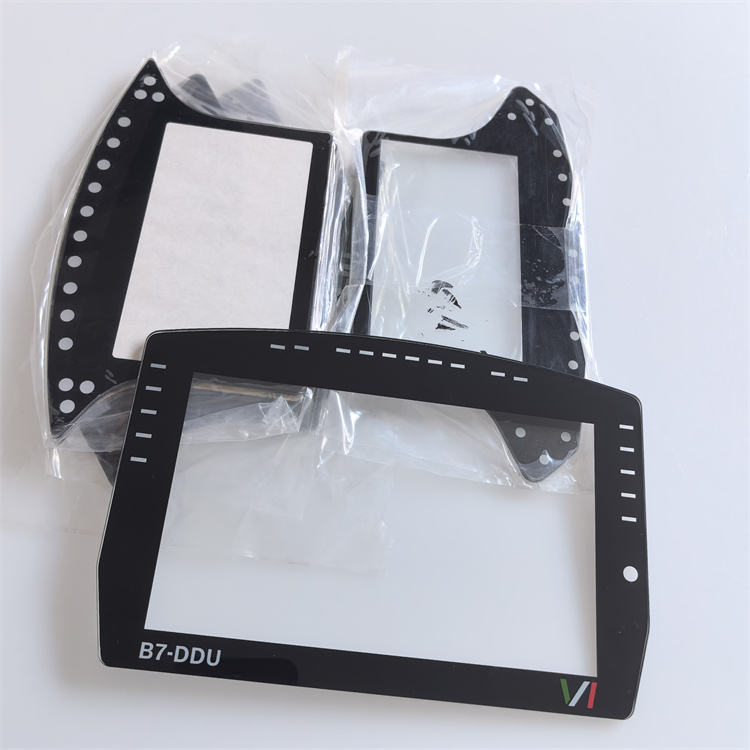
Product Type Custom 1.1mm Tempered Glass Panel for Car DVR
Raw Materials Crystal White / Soda Lime / Low-Iron Glass
Size Customizable Size
Thickness 1.1mm / 2.0mm (Customizable)
Tempering Heat Tempering / Chemical Tempering
Edge Processing Flat Surface (Flat / Pencil / Beveled / Chamfered
Holes Round / Square (Irregular Holes Available)
Color Black / White / Silver (Up to 7 Layers of Color)
Surface Silk‑Print, Anti‑Fingerprint, Anti‑Scratch
Production Process Cutting → Edge Polishing → CNC → Cleaning → Printi
Application Car Dashboard, Rearview Mirror, Rear Seat Display
Packging & Delivery
Min Order5 piece
Briefing
Detailed
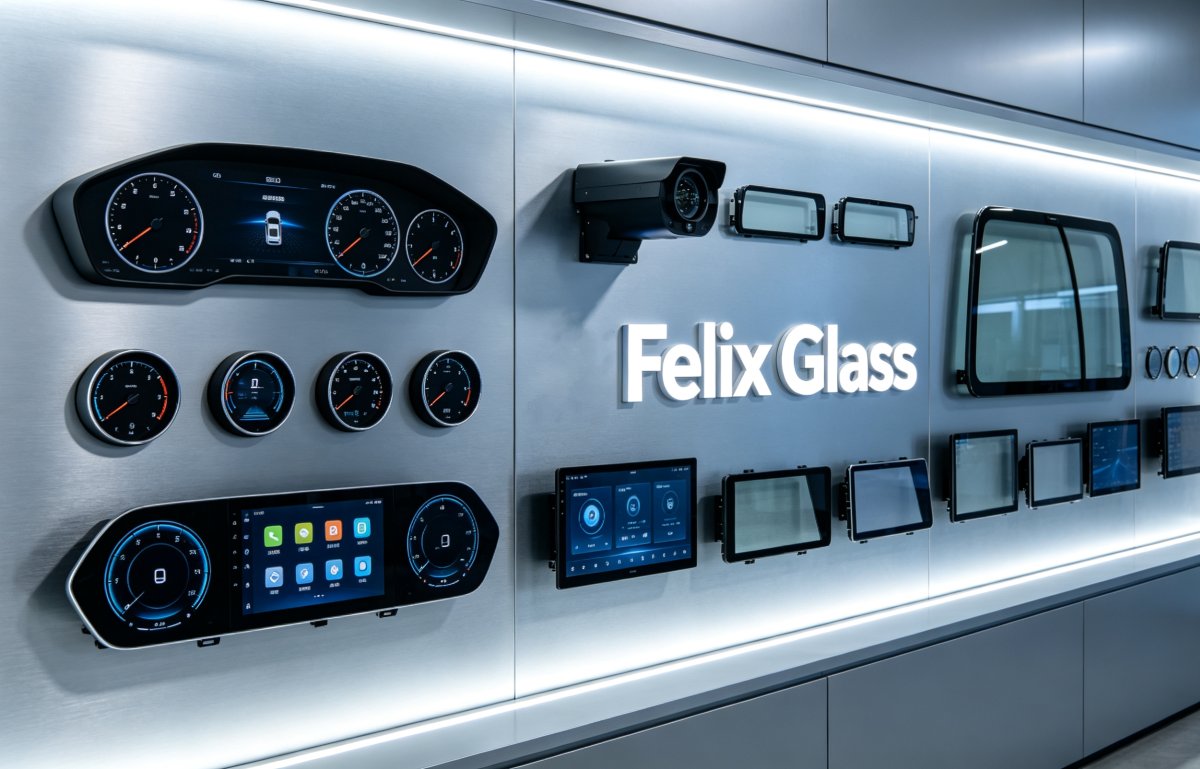
Felix Glass manufactures chemically strengthened display cover glass for vehicle infotainment systems, center-console touchscreens, instrument panels, digital rearview mirrors, rear-seat displays, and other automotive interior interfaces. Drawing-based options include CNC profile cutting, camera and sensor openings, positioning slots, edge chamfering, black border printing, icons, and customer logos. AR anti-reflection and AF anti-fingerprint surface treatments can be selected separately or combined according to the display, lighting, touch-frequency, and cleaning requirements. This product is being organized under AR/AG/AF Coated Display Glass for a clearer match between its coating functions and buyer search intent. Typical values below retain the existing product specification. Final substrate, coating, dimensions, tolerances, optical targets, and validation methods are confirmed against the approved drawing and project standard. The AR+AF combination addresses two common automotive-interface requirements: reducing visible reflections over the display and reducing fingerprint or oil adhesion on a frequently touched surface. AR treatment reduces surface reflection from sunlight, roadway lighting, and cabin illumination so the display can use more of its available luminance for readable content. A hydrophobic and oleophobic surface reduces adhesion from fingerprints, skin oil, dust, and routine touch marks, making the panel easier to wipe. The existing description lists chemically strengthened aluminosilicate glass, Mohs grade 7 scratch resistance, and more than four times the bending and impact strength of ordinary soda-lime glass. Compare other functional interfaces in the Felix Glass product catalog. The existing product specification lists an operating-environment reference of -30°C to 85°C for the customized automotive cover glass. It also describes resistance to moisture, oxidation, temperature cycling, vibration, and long-term parked-vehicle exposure. Temperature range alone is not a certification statement. Test cycle, dwell time, sample geometry, and pass criteria must be specified for each automotive program. Felix Glass supports custom geometry from customer engineering files, including irregular profiles, radius corners, camera holes, sensor windows, grooves, and assembly-positioning features. Rectangular, rounded-corner, and irregular shapes are evaluated against thickness, hole position, and edge-distance rules. Flat, pencil, beveled, or chamfered edges can be processed for safer handling and assembly. Black or colored borders, display windows, icons, patterns, and logos can be matched to the interior design. The existing content lists ±0.01 mm dimensional control; feasibility depends on geometry, measurement method, and approved drawing. Company and manufacturing background is available on About Us. AR-coated cover glass is intended to reduce surface reflection and limit optical loss above LCD, OLED, and mini-LED display modules. Lower reflection can also reduce ghost-image and double-image effects caused by multiple interfaces in the display stack. The original description states that finished glass is checked with a spectrophotometer before delivery. For production control, the required wavelength range, transmittance, reflectance, color shift, measurement angle, and sampling plan should be defined in the project specification. Additional glass-selection guidance is available in the Felix Glass blog. Center-console screens are touched frequently and can accumulate fingerprints and oil. AF treatment lowers surface energy so marks adhere less strongly and can be removed with lighter wiping than on an untreated surface. AF treatment reduces adhesion; it does not make the surface maintenance-free or prevent every scratch. Vehicle displays encounter direct sunlight, reflected roadway light, street lighting, and other cabin reflections. An AR surface is designed to reduce mirror-like reflection while preserving image sharpness. The original product content distinguishes this AR approach from a higher-haze AG matte surface. Selection should balance reflectance, haze, clarity, sparkle, contrast, display brightness, and viewing angle for the actual module. Return to the Felix Glass home page for an overview of related material and processing capabilities. The following options consolidate the existing product description and visible attributes. Availability is confirmed after drawing and stack-up review. The original product description lists the following planning ranges after engineering details are confirmed: For drawing, material, printing, and coating evaluation. For assembly testing and process confirmation. Final timing depends on quantity, process route, validation, and material availability. Packaging options listed in the source content include foam separation, protective film, and moisture-resistant cartons for sea or air shipment. These answers preserve the original product topics while separating listed capabilities from project-specific validation. It is offered for cabin-display projects where reflection, fingerprints, temperature cycling, and touch wear matter. Program-specific standards and certification evidence must be agreed before production. Yes. Irregular center-console, cluster, mirror, and control-screen profiles can be reviewed from CAD drawings for CNC feasibility. The original description lists more than eight years under normal vehicle conditions. Actual life depends on the complete module design, exposure, cleaning, abrasion, and validation plan. Material documents and agreed optical or performance data can be discussed for project qualification. Use Contact Us to define the required report set. The coating can be evaluated with these display types. Optical matching should include polarization, brightness, reflectance, color, bonding, and viewing-angle checks. Felix Glass supports prototype, trial-batch, and volume-production discussions. Commercial terms and quality controls are confirmed for each program. Send the CAD drawing, glass type and thickness, display technology, coating targets, printing artwork, openings, edge requirements, tolerance, annual quantity, validation standard, packaging, and requested schedule. Felix Glass can then review manufacturability and prepare a project-specific quotation and sample plan.
Felix Glass Co., Limited · Model FG-CAR-001
1. Automotive Dashboard Display Cover Glass Overview
 Coating functions
2. AR and AF Dual-Coating Functional Advantages
2.1 AR anti-reflection
2.2 AF anti-fingerprint
2.3 Strengthened substrate
 Vehicle-cabin conditions
3. Automotive Temperature and Environmental Resistance
Drawing-based manufacturing
4. Custom CNC Cutting and Edge-Polishing Standards
Profile machining
Edge finishing
Silk-screen printing
Tolerance review
Optical evaluation
5. Infotainment Screen Light-Transmittance Performance
 Frequent-touch surface
6. Center-Console Anti-Fingerprint Experience
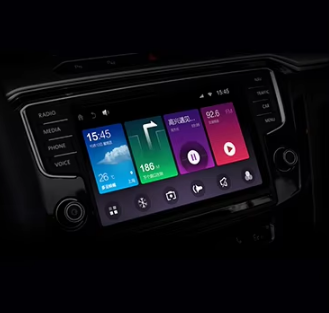
Oil resistanceReduces visible fingerprint and skin-oil adhesion under routine use.
Surface consistencyCoating uniformity can be monitored by agreed inspection and sampling methods.
Cleaning behaviorCleaning chemistry and abrasion cycles should be included in validation.
 Reflection management
7. Automotive Interior Display Anti-Reflection Optimization
OEM configuration
8. OEM Customization Specification List
Specification item Existing listed options Project confirmation Substrate Crystal-white, soda-lime, or low-iron glass; chemically or heat strengthened Optical, strength, thickness, and process requirements Thickness 1.1 mm and 2.0 mm attributes; 1.1, 1.5, and 2.0 mm references in the original description Module stack-up, weight, rigidity, and edge geometry Shape and holes Rectangle, rounded corners, irregular profiles, round, square, and custom openings CAD drawing, datum system, tolerance, and inspection method Coating Single AR, single AF, or AR+AF combination Reflectance, transmittance, contact angle, abrasion, and aging targets Printing Black, white, silver, and multilayer color printing; borders, logos, and icons Artwork, color standard, opacity, alignment, and adhesion Edge Flat, pencil, beveled, or chamfered Handling, bonding, sealing, and housing interface
Sampling and production planning
9. Mass-Production and Global-Delivery Lead Time
Prototype samples: 7–10 working daysSmall trial batches: 12–18 working daysOEM mass production: 20–30 working days
Technical FAQ
10. Automotive Display Glass Technical FAQ
Is the AR+AF coating suitable for automotive interiors?
Can special automotive screen shapes be produced?
What service life is listed in the original specification?
Can technical data and test reports be provided?
Can the cover glass be used with LCD, OLED, and mini-LED displays?
Is long-term OEM supply supported?
RFQ input checklist
Send project requirements
11. Submit a Car Dashboard Drawing for a Custom Quotation
网络文化经营许可证:浙网文[2013]0268-027号|增值电信业务经营许可证:浙B2-20080224-1 2007-2026 Tradevv.com. All rights reserved.